
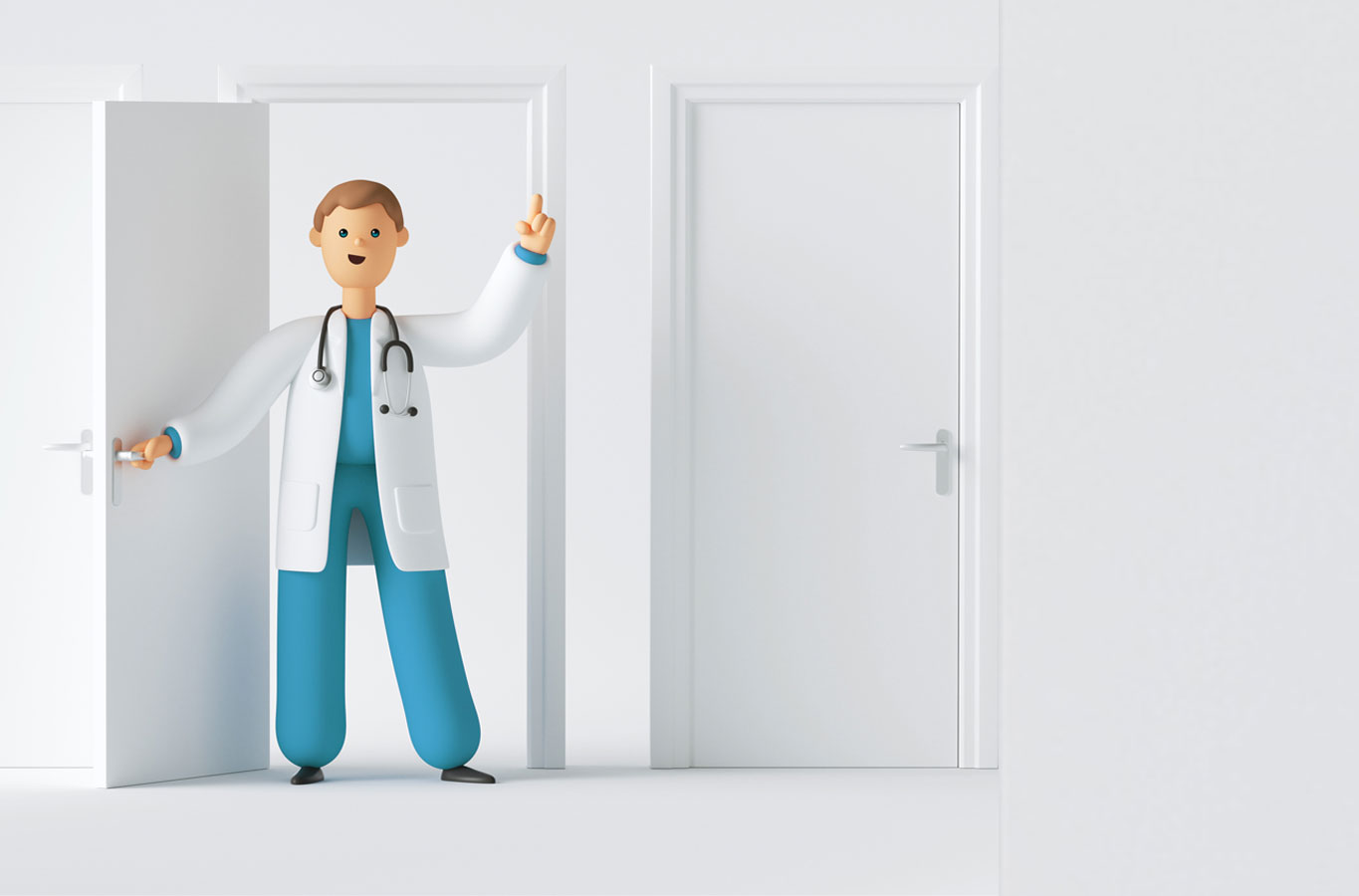
When people think about doctors, certain familiar images come to mind — the white coat, the stethoscope, the calm authority. While some of these impressions are rooted in truth, many are outdated or exaggerated. In modern healthcare, doctors come from diverse backgrounds, use innovative technology, and practice medicine with approaches far beyond the old stereotypes. Here are ten common misconceptions about doctors — and the reality behind them.
Breaking these stereotypes helps build stronger, more trusting relationships between patients and healthcare professionals
- Doctors Know Everything
- Doctors Are Always Serious
- Doctors Only Care About Diseases, Not People
- All Doctors Work Long Hours With No Life Outside the Hospital
- Doctors Are Wealthy by Default
- Doctors Prefer Medication Over Lifestyle Changes
- All Doctors Are the Same
- Doctors Don’t Make Mistakes
- Doctors Are Unapproachable
- Doctors Only Work in Hospitals
1. Doctors Know Everything
Many believe doctors have all the answers. In reality, medicine is constantly evolving. Good doctors rely on evidence, collaboration, and continuous learning — not on knowing everything.
2. Doctors Are Always Serious
The stereotype suggests doctors are strict and emotionless. While professionalism is essential, most doctors communicate with warmth, empathy, and even humor to help patients feel at ease.


3. Doctors Only Care About Diseases, Not People
Modern medical practice is patient-centered. Doctors take time to understand lifestyles, emotions, and personal concerns because health is more than just treating symptoms.
4. All Doctors Work Long Hours With No Life Outside the Hospital
Although demanding schedules are common, many doctors balance family, hobbies, fitness, and community life. Hospitals now promote healthier work–life practices.
5. Doctors Are Wealthy by Default
Not all doctors are rich. Many spend years paying off training costs, and salaries vary widely by specialty, location, and healthcare system.
6. Doctors Prefer Medication Over Lifestyle Changes
A good doctor knows that prevention is better than cure. Many emphasize nutrition, exercise, mental health, and habit changes before prescribing drugs.
7. All Doctors Are the Same
Every specialty is unique. Cardiologists, neurologists, pediatricians, and surgeons offer different expertise, personalities, and clinical styles.
8. Doctors Don’t Make Mistakes
Doctors are highly trained, but they are still human. This is why hospitals rely on teamwork, advanced technology, and safety protocols to reduce errors.
9. Doctors Are Unapproachable
Some believe doctors are too busy or too important to talk to. On the contrary, communication is a core part of medical care, and most doctors welcome questions from patients.
10. Doctors Only Work in Hospitals
Doctors can be found in clinics, research centers, academic institutions, telemedicine platforms, corporate health units, and humanitarian missions worldwide.
- 0 Comments
- EYE CARE